Regional Traditions
Five Regions, Five Ways of Keeping Food Through Winter
Climate and geography shaped what got preserved and how. Here's a tour through five broad American culinary regions and the preservation habits that took root in each.
Before diving in
Nobody Invented These Methods From a Textbook
Regional cooking traditions in the United States were built from limitation as much as preference. A humid Gulf Coast summer demanded different smoking approaches than a dry New Mexico autumn. Access to certain woods, certain salts, certain climates all nudged households toward particular techniques, refined slowly over generations rather than designed all at once.
What follows isn't a ranked list or a claim that one regional method outperforms another. It's a description of how different parts of the country solved the same basic problem: keeping food edible without a refrigerator, using what was locally available.
Root Cellars, Leather Britches, and Long Winters
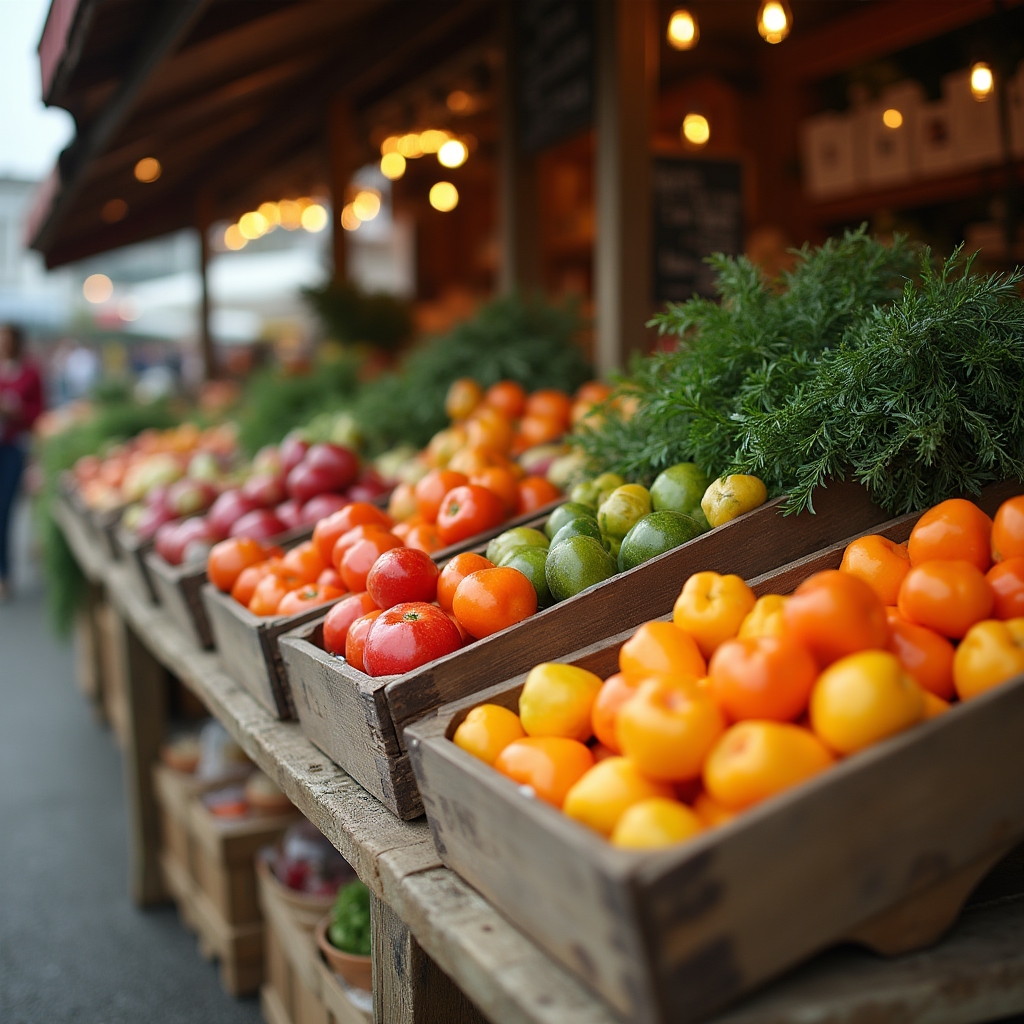
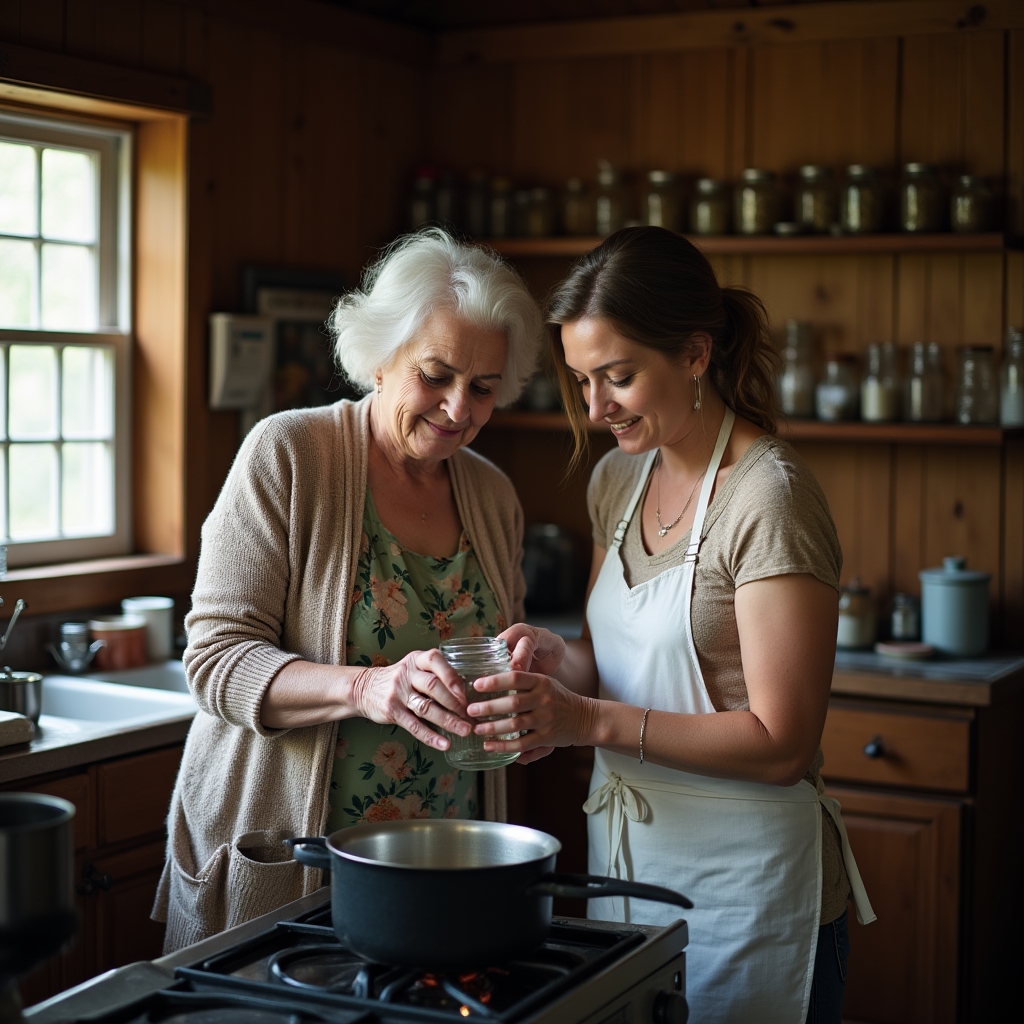
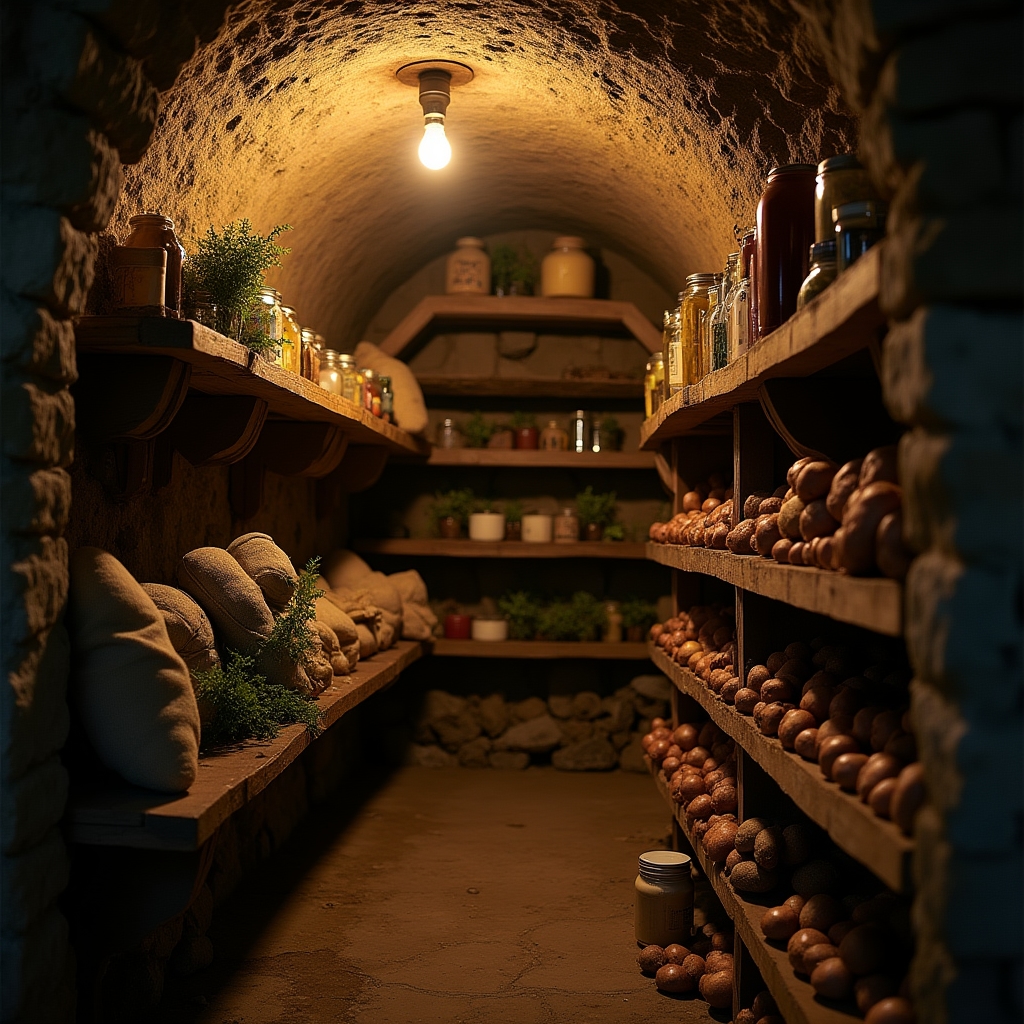
Mountain isolation shaped Appalachian preservation as much as anything else. Beans dried whole on a string, known regionally as "leather britches," kept through months when fresh vegetables were simply unavailable. Root cellars dug into hillsides held potatoes, apples, and squash at a steady cool temperature without any mechanical cooling at all.
Pickling, Preserving, and the Sugar House
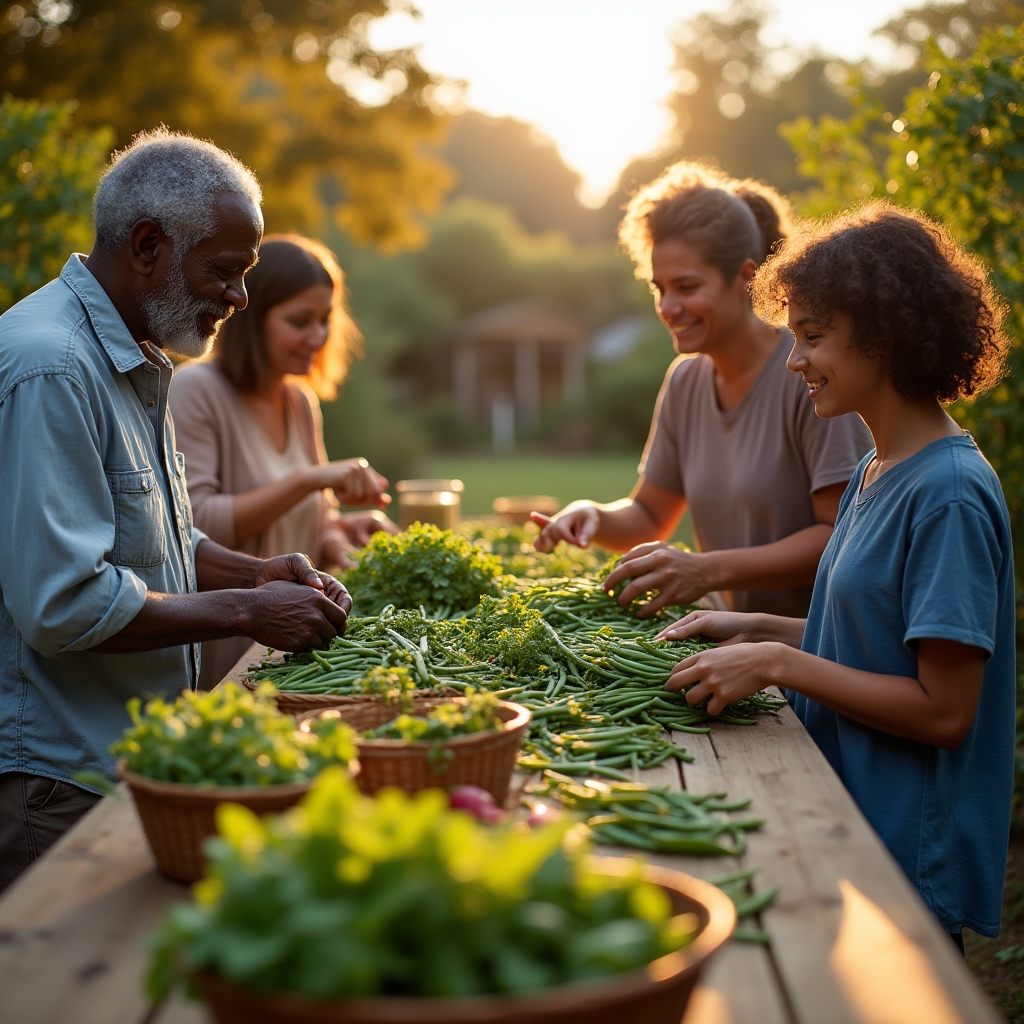
Hot, humid summers meant Southern households leaned heavily on pickling and heavy sugar preserves, both of which fight spoilage effectively in warm climates. Watermelon rind pickles, chow chow relish, and fig preserves all trace back to a practical need to use every part of a harvest before heat and humidity took their toll.
Maple, Salt Cod, and a Short Growing Season
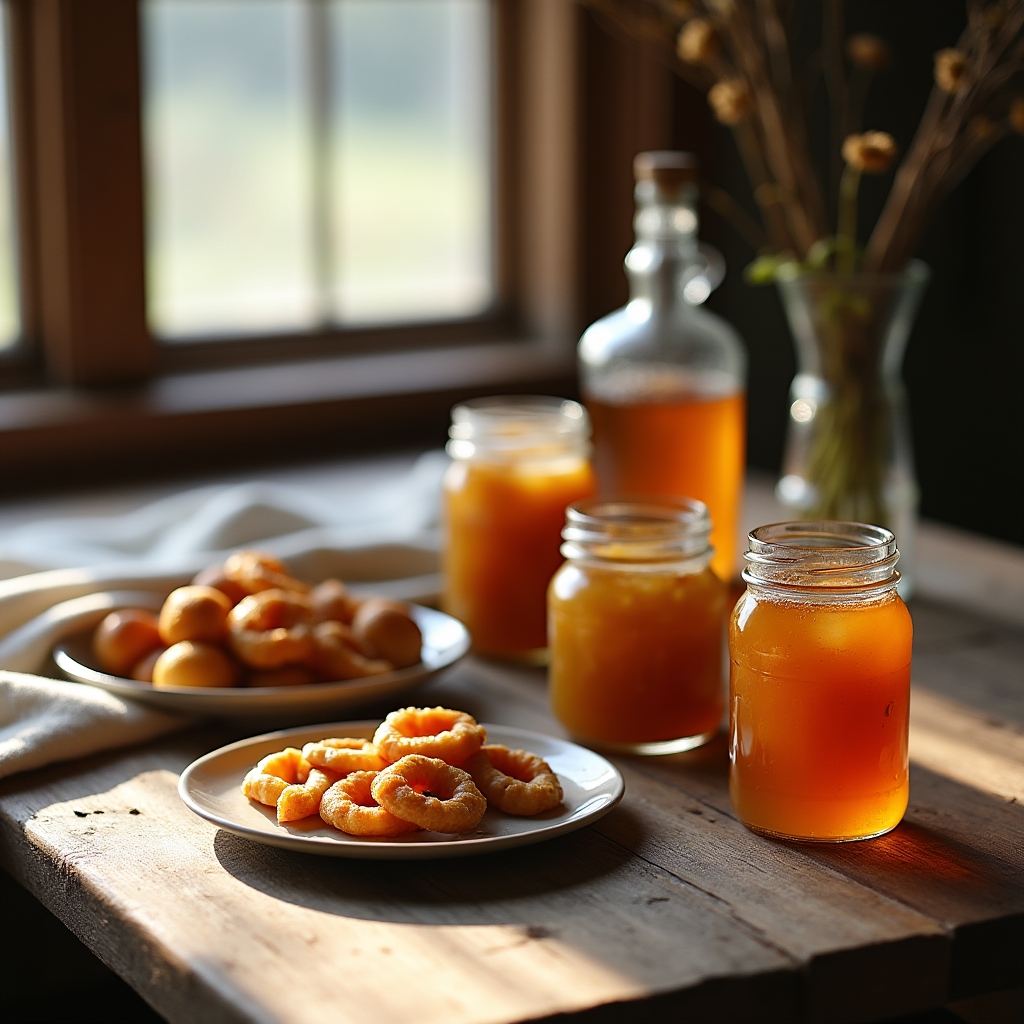
A brief growing season pushed New England households toward intense preservation efforts in a narrow window each fall. Maple syrup boiling, salted and dried cod, and apple drying all reflect a region planning carefully for months when almost nothing fresh would be available locally.
Cold Storage and the Canning Kitchen
Long, cold winters made basement root cellars and canning kitchens a near-universal feature of Upper Midwest farmhouses. Corn, beans, and tomatoes were canned in volume each August, while cabbages and root vegetables went into cold storage to last through winter without any additional processing.
Salmon Smoking Along the Coastline
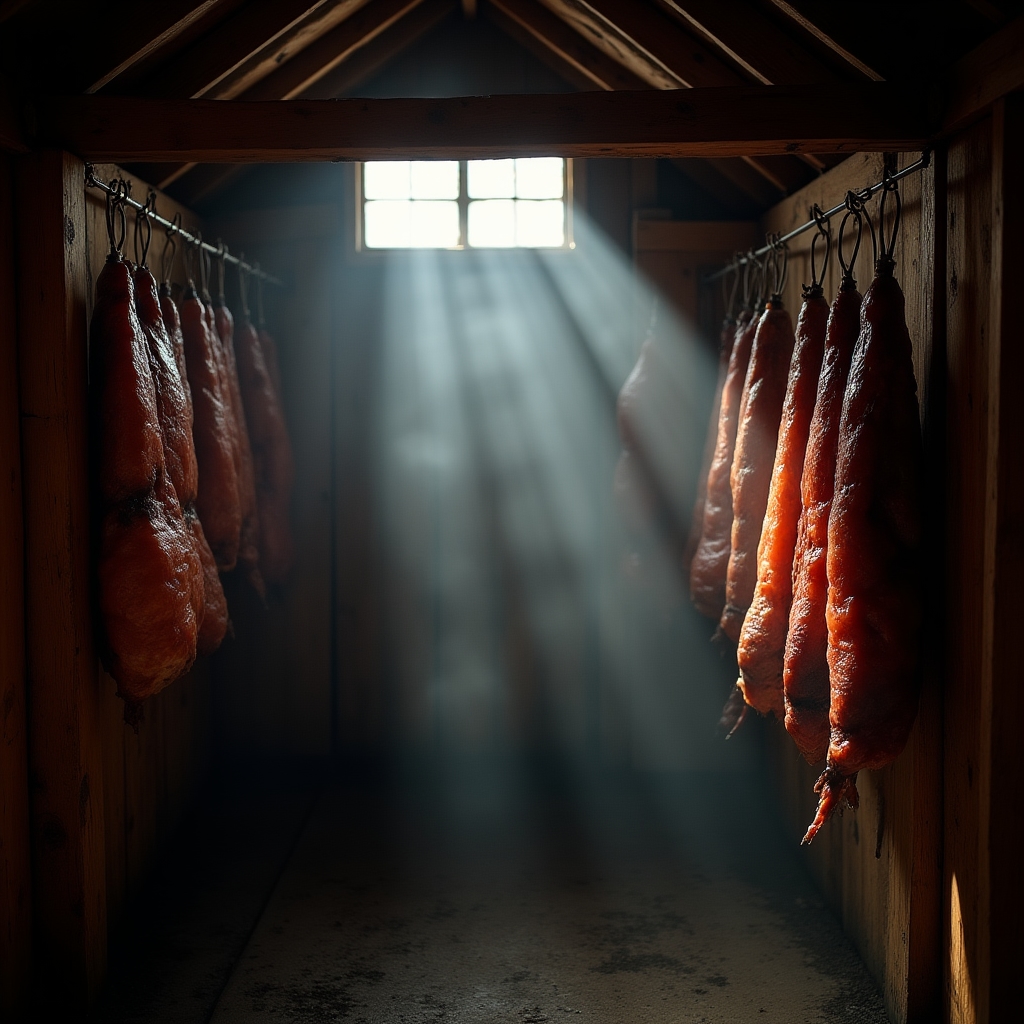
Coastal access to salmon shaped Pacific Northwest preservation around cold smoking, a slow process that both flavors and preserves fish over hours rather than minutes. Alderwood became the regional standard, prized for a mild smoke that didn't overpower the fish itself.
Want to try a regional technique yourself?
Check current availability for the season's open modules, organized by both technique and region.