Availability
What's Open This Season, and How Lessons Run
Modules follow the harvest calendar rather than a fixed academic term. Here's how the current schedule and formats break down.
Following the harvest
Lessons Timed to What's Actually in Season
Preservation has always followed what the garden and the market provide. Rather than a rigid syllabus, modules open and close loosely around four seasonal windows.
| Season | Primary techniques | Typical ingredients |
|---|---|---|
| Spring | Quick pickling, early fermentation, vinegar infusions | Ramps, asparagus, radishes, early greens, rhubarb |
| Summer | Water bath canning, jam and preserve making | Tomatoes, stone fruit, berries, sweet corn, cucumbers |
| Fall | Pressure canning, first smoking projects, curing | Squash, apples, root vegetables, pork, game meats |
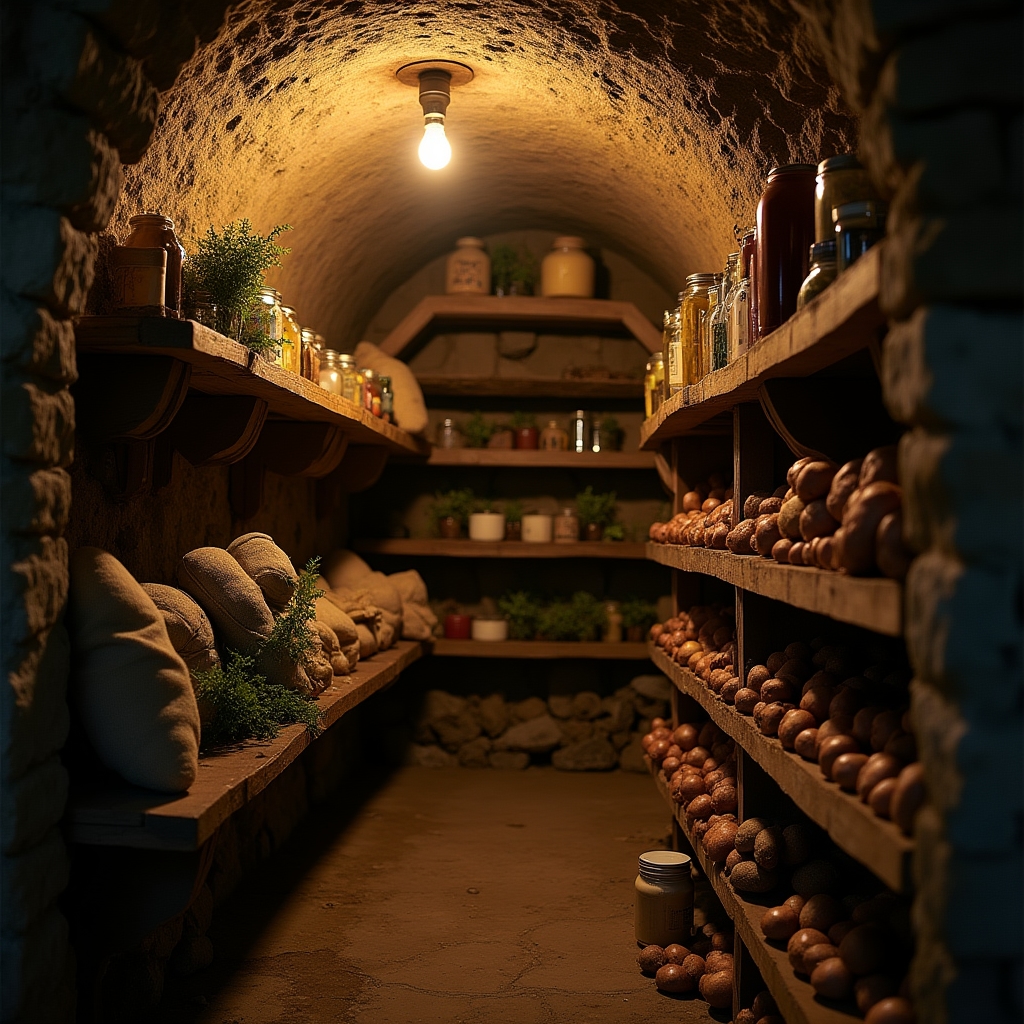
| Winter | Drying, root cellar management, long ferments | Stored roots, dried herbs, cured meats, grains |
How you can take part
Four Ways to Work Through the Material
Self-Paced Modules
Written lessons with photographs, available on your own schedule, organized by technique and by region of origin.
Seasonal Live Sessions
Occasional live walkthroughs timed to a specific harvest window, such as a tomato canning session in late summer.
Printable Guides
Condensed reference sheets for the kitchen counter, covering ratios, timing charts, and troubleshooting notes.
Regional Discussion Groups
Informal groups organized loosely by region, where participants compare notes on local ingredients and family variations.
Please read before enrolling
What This Program Is, and What It Isn't
This program does not offer professional chef certification, and completing any module does not authorize commercial food sales or a commercial kitchen license. Lessons are written for home kitchen use, personal food preservation, and general culinary education.
If you're planning to sell preserved foods commercially, your state or local health department will have separate licensing and inspection requirements that this program does not address. We recommend checking with your local cottage food or health authority directly for that kind of guidance.
Common questions
Before You Get Started
Do I need special equipment to begin?
Most early lessons use equipment already found in a typical home kitchen: pots, jars, a thermometer. Later modules on pressure canning or smoking note any additional equipment before you commit to that lesson.
Is this suitable for someone with no prior experience?
Yes. Lessons are written assuming no prior background in preservation, though some comfort with basic home cooking is helpful.
Are ingredients provided or shipped?
No. Lessons reference seasonal, locally sourced ingredients you find through your own farmers market, grocer, or garden, since availability varies significantly by region.
Can I revisit a module after a season ends?
Written modules and printable guides remain accessible after their initial seasonal window closes, though live sessions are tied to their specific date.
Does this program certify me to sell food commercially?
No. This is an educational program only. Any commercial food sale requires separate state or local licensing that falls outside what we teach here.
Have a question about a specific module?
Reach out directly and we'll point you toward the right lesson or format for what you're trying to learn.