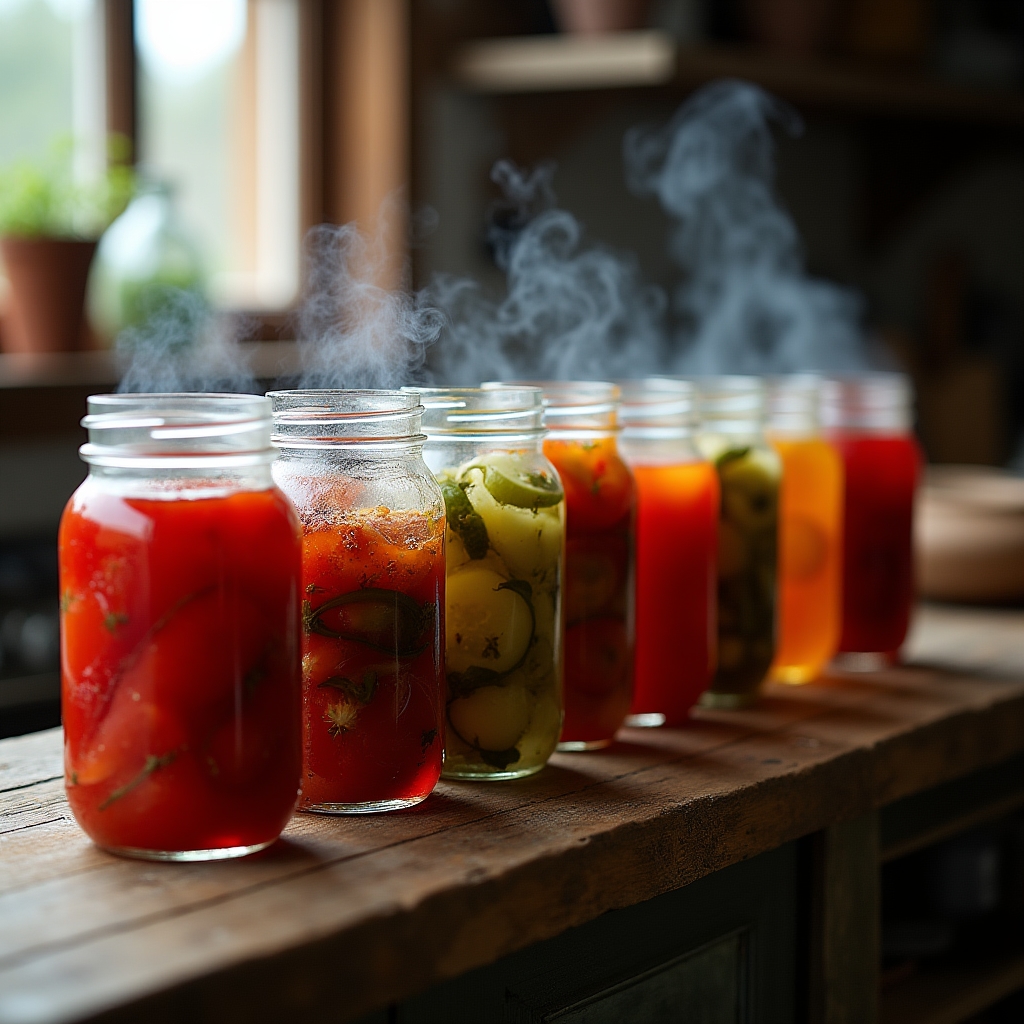
Canning
Water bath and pressure canning methods for fruit preserves, tomato sauces, pickles, and low-acid vegetables, following tested ratios for safe, shelf-stable jars.
Traditional Food Preservation, Region by Region
Learn the canning, fermenting, smoking, and drying methods that kept American tables fed through every season, taught the way they were originally learned: in a home kitchen, from someone who learned it the same way.
Why this program exists
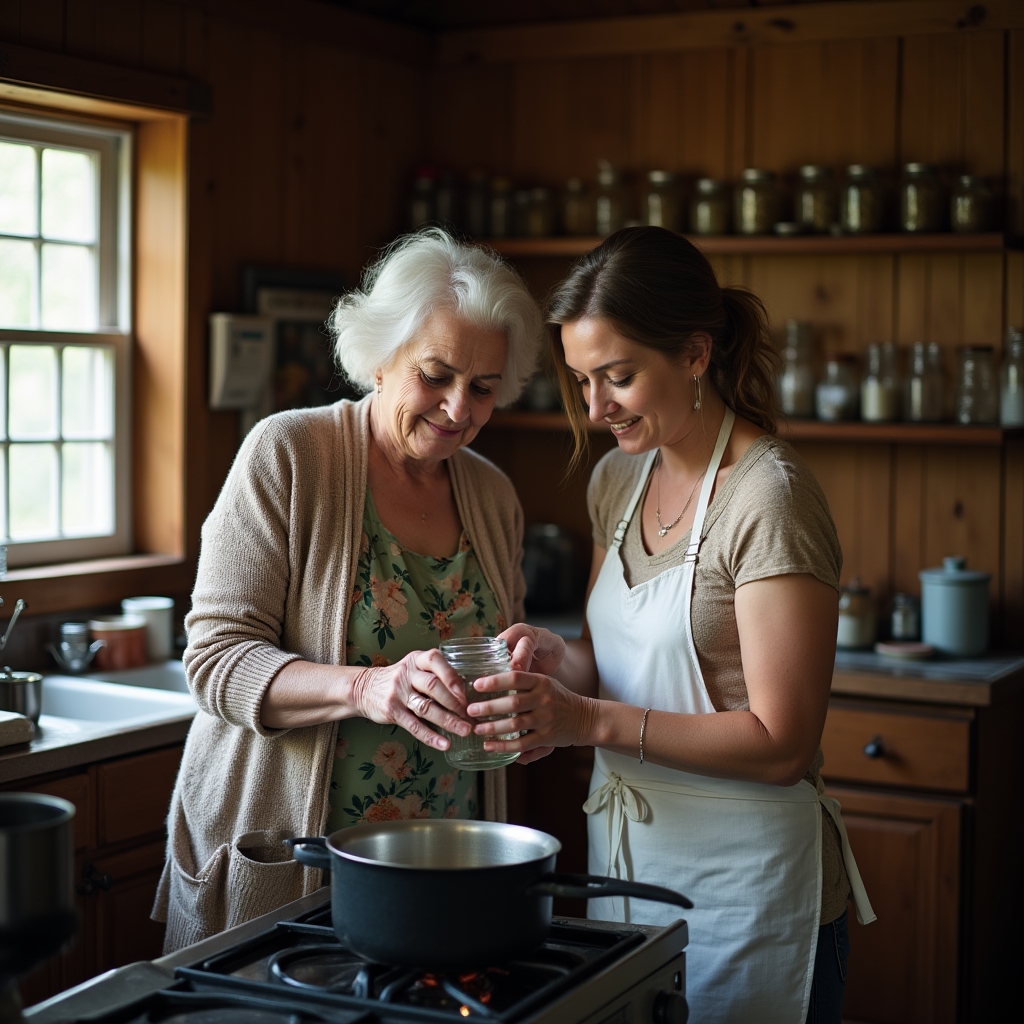
Somewhere between a grandmother's hands and a grandchild's memory, a lot of practical food knowledge gets lost. Not because anyone stopped caring. Because nobody wrote it down. A pinch of this, a particular jar, a smell that meant "ready." That's how it traveled for generations, and it still can.
Gugacu Fivota gathers these methods from home cooks across the country and turns them into structured, step-by-step lessons. We're not a culinary school and we don't offer chef certification. There's no commercial kitchen license involved anywhere in this program. What we offer is closer to what your neighbor's grandmother might have taught you, if she had the time and you had the years to spare.
The four core methods
Long before refrigeration was common, American households across every region relied on a handful of methods to keep food edible through winter, drought, or simply a slow harvest week. These four remain the backbone of the curriculum.
Water bath and pressure canning methods for fruit preserves, tomato sauces, pickles, and low-acid vegetables, following tested ratios for safe, shelf-stable jars.
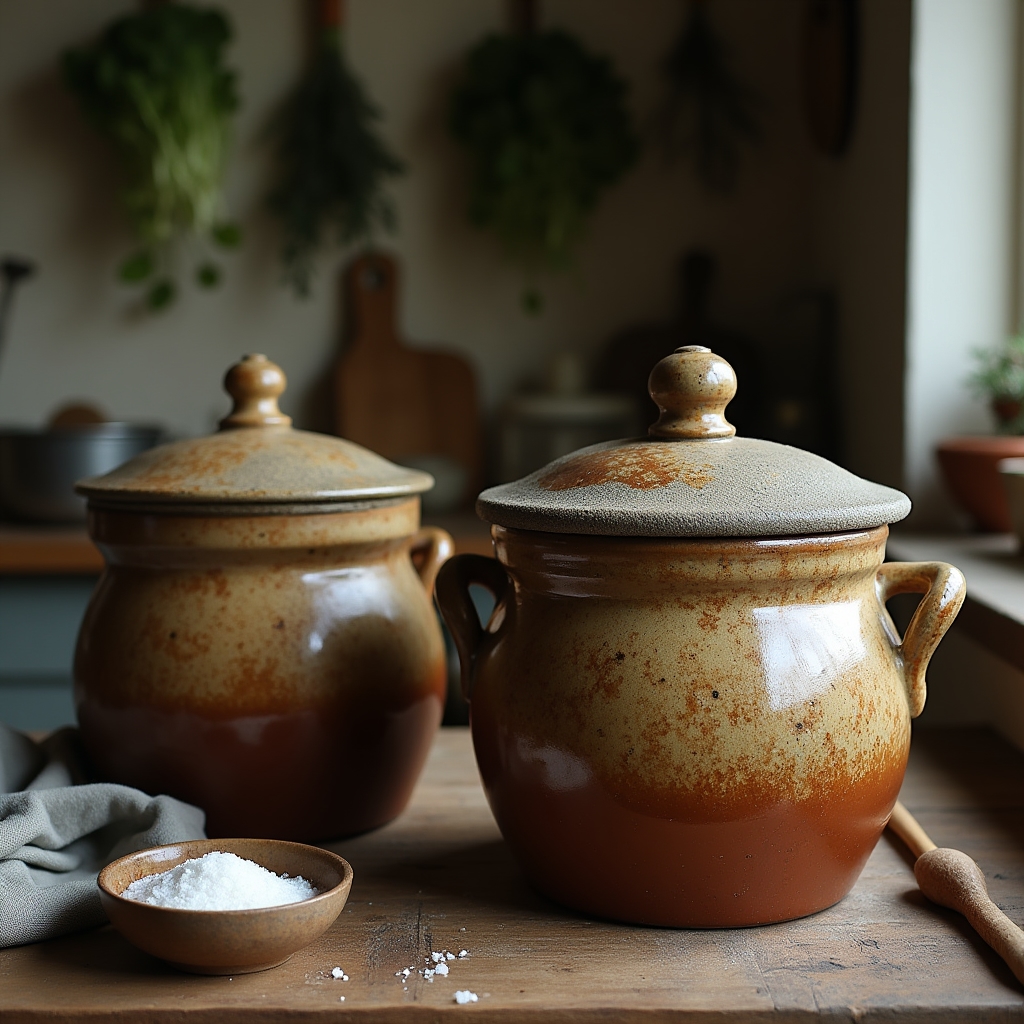
Lacto-fermentation for sauerkraut, kimchi-style ferments, and sour pickles, plus vinegar mothers and cultured dairy passed down through farmhouse kitchens.
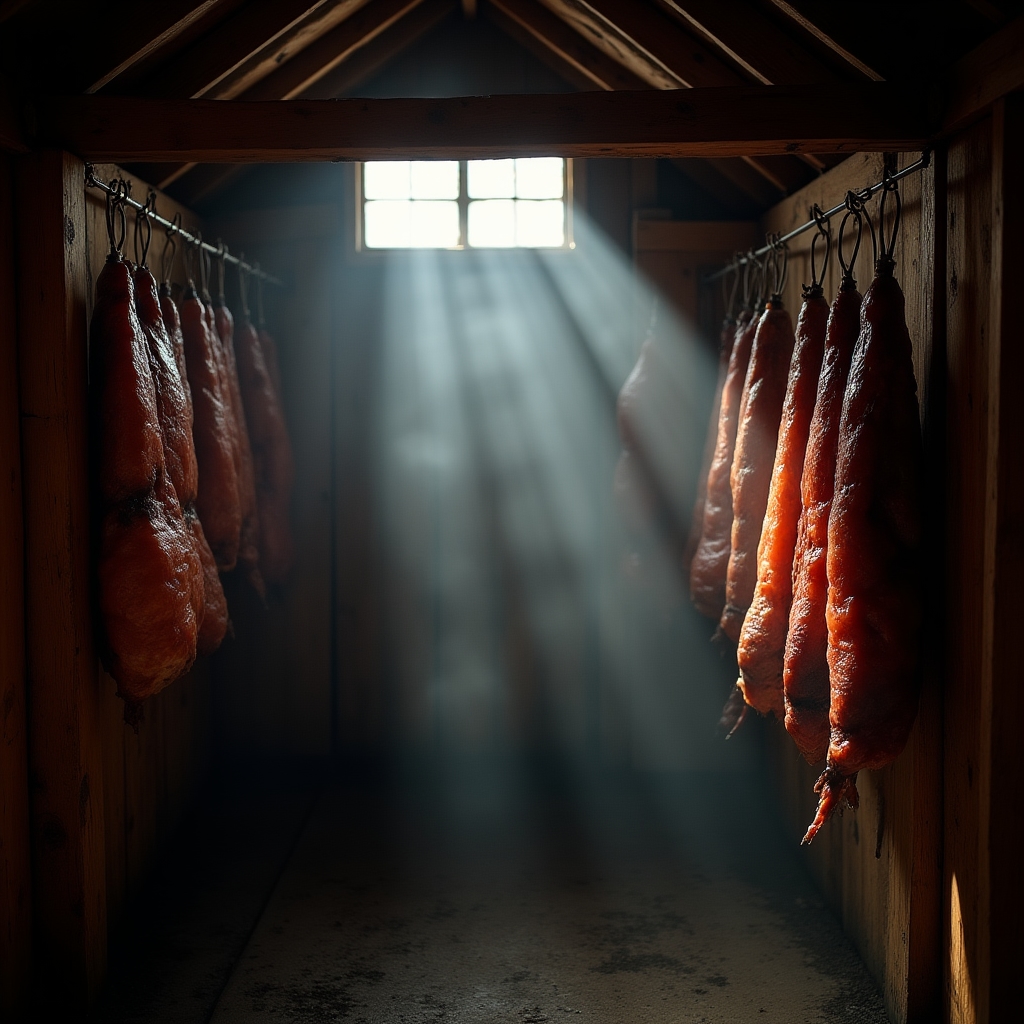
Cold and hot smoking of meats and fish using regional wood choices, from hickory in the Southeast to alder along the Pacific coastline.
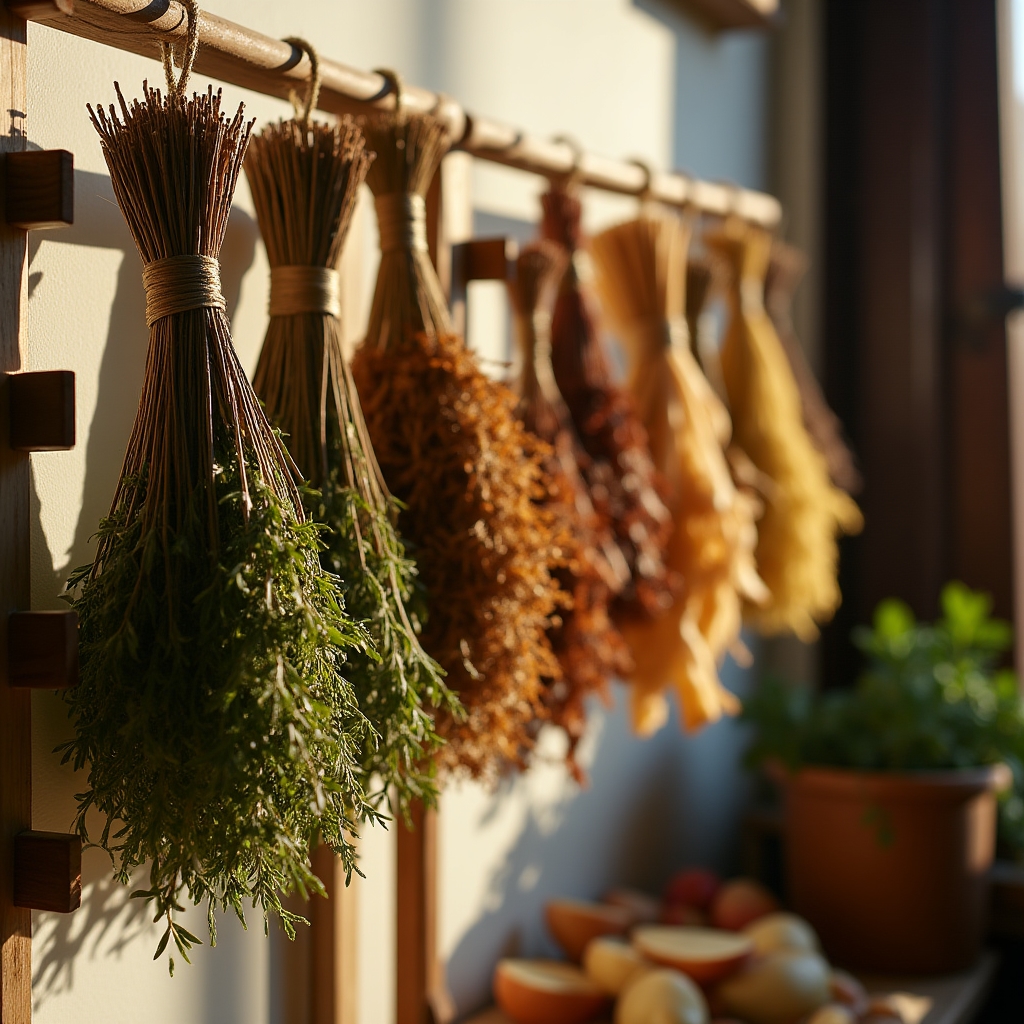
Air-drying, dehydrating, and root cellar storage for herbs, fruit leather, jerky, and grains, sized for a home kitchen rather than an industrial line.
Inside a lesson module
Each module walks through the same core structure, adapted to the technique. Click between them to see how the lessons are actually built.
The canning module opens with jar preparation and headspace measurement, two details that quietly determine whether a batch seals properly. From there, lessons move through water bath timing for high-acid foods like peaches and tomatoes, then into pressure canning for green beans and stock, where internal temperature actually matters more than the clock on the wall.
Recipes are drawn from Ohio Valley farmhouse kitchens, Appalachian hollers, and Gulf Coast households, each with a slightly different approach to spicing a pickle brine or sweetening a fruit preserve.
Fermentation asks for patience more than equipment. The module covers salt ratios for vegetable ferments, how to read the surface of a crock for healthy activity versus a problem, and the slow build of flavor that happens over days rather than minutes.
Lessons include Pennsylvania Dutch sour pickles, Carolina-style hot sauce mashes, and a simple sourdough starter maintained the way it was kept before commercial yeast was common in rural kitchens.
Smoking lessons start with the difference between cold smoking for flavor and preservation, and hot smoking that cooks the food through. Wood selection gets real attention here, since a Texas post oak smoke behaves differently from a New England applewood smoke, both in flavor and in burn characteristics.
The module also covers curing salts and their role in food safety, brining times for different cuts, and how to build a simple backyard smoking setup without specialized equipment.
Drying lessons cover air-drying herbs in a well-ventilated kitchen, dehydrator settings for fruit leather and jerky, and the humidity considerations that matter more in a Gulf Coast summer than a high desert one. Root cellar basics round out the module for households with the space to store winter squash and root vegetables long term.
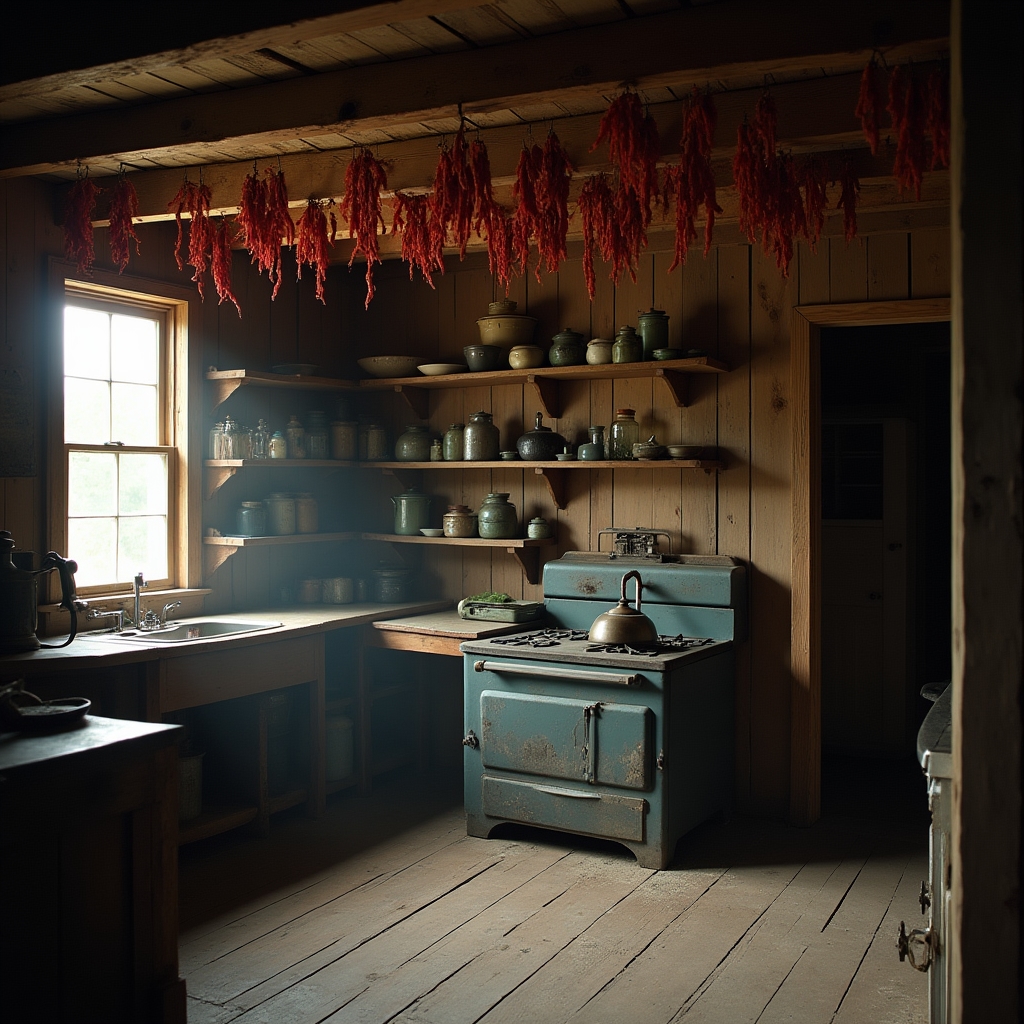
Recipes include Southwestern chile ristras, New England apple rings, and a Midwestern approach to drying sweet corn for winter soups.
Every state cooks differently
A Vermont maple syrup boil has almost nothing in common with a Louisiana crawfish boil, and yet both come from the same instinct: use what the land gives you, and don't let any of it go to waste. Regional cooking in America was never really unified. It was shaped by soil, climate, immigration patterns, and whatever grew within walking distance of the kitchen door.
Our regional traditions program traces these differences across five broad culinary regions, from the smokehouses of Appalachia to the root cellars of the Upper Midwest. Understanding where a technique came from often explains why it works the way it does.
Browse regional traditionsA note on how we teach
Nobody needs a diploma to put up a batch of pickles. This program does not offer professional chef certification, and no lesson requires a commercial kitchen license to complete. Every technique is scaled for a home kitchen, a home stove, and the kind of equipment most households already own or can find secondhand.
What we do offer is context. A recipe makes more sense once you understand why a Kentucky ham cure differs from a Virginia one, or why a Pacific Northwest household might smoke salmon instead of pork. The goal is confident, informed home cooking rooted in real regional practice, not a shortcut to running a food business.
What a season of learning looks like
Lessons follow the seasons rather than a fixed calendar. Spring brings early greens and vinegar work, summer means canning tomatoes and stone fruit at their peak, fall shifts toward root vegetables and the first smoking projects, and winter is for drying, curing, and planning next year's garden.
Course availability shifts with the season and with regional demand. Check the current schedule of modules and formats before you plan your first project.