Mission & Values
Why We Started Collecting These Recipes
A short account of where this program came from, and the principles that still shape every lesson we publish.
How it began
It Started With a Box of Index Cards
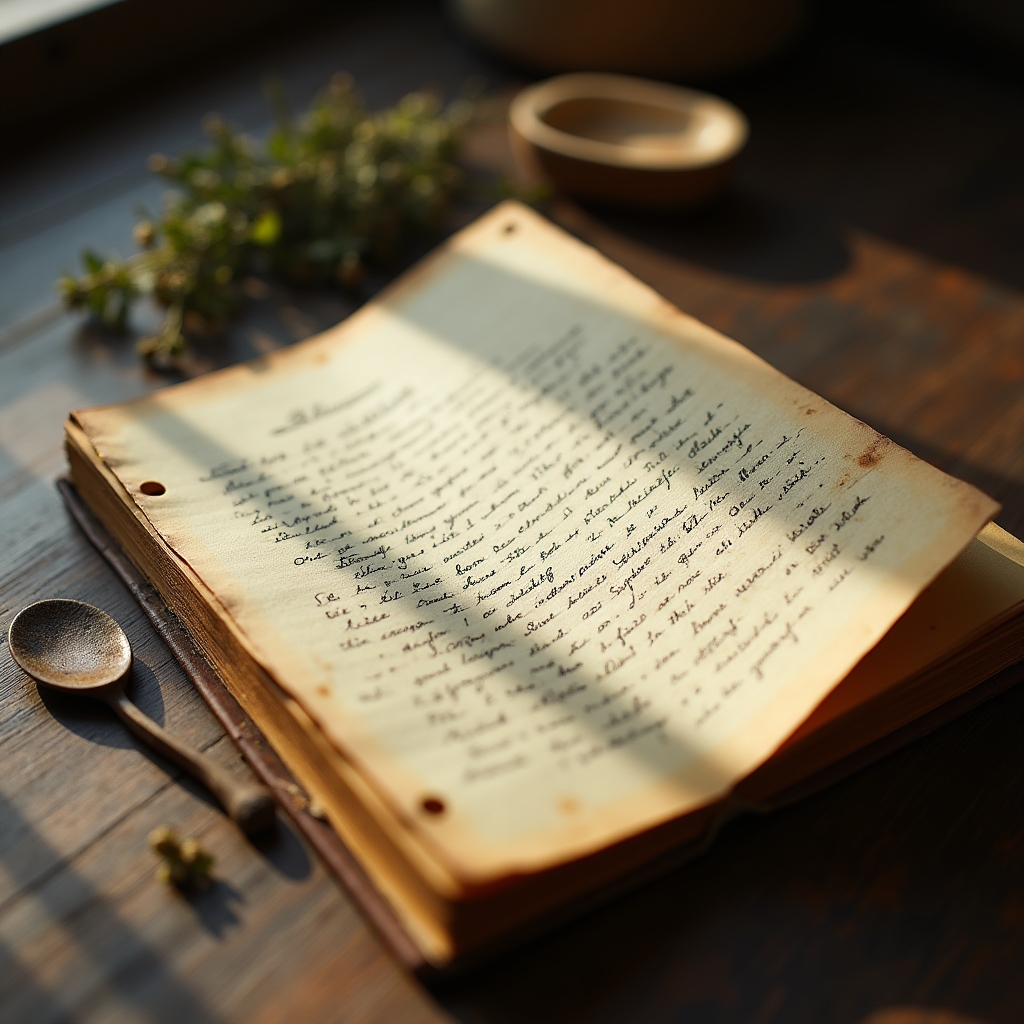
The first version of this program was not a website at all. It was a shoebox of handwritten recipe cards, collected over several years from relatives, neighbors, and the occasional stranger at a farmers market willing to talk shop about pickling. Some cards had measurements. Most did not. A lot said things like "cook until it smells right," which is not particularly useful advice to a beginner, however true it might be to the person who wrote it.
Turning those cards into something teachable meant testing every method in an ordinary home kitchen, checking food safety basics against current guidance, and writing down the parts that experienced cooks had long since stopped thinking about consciously. The result is a library of lessons that respects where the recipes came from while making them usable by someone starting from zero.
We are not a culinary academy and we do not issue professional certifications. There is no commercial kitchen license attached to anything taught here. This program exists for people who want to preserve food at home, understand the why behind a technique, and maybe pass a little of it along themselves someday.
What guides the program
Four Ideas We Keep Coming Back To
Provenance
Every recipe is traced to a place and, where possible, a household. We note regional origin rather than presenting techniques as generic or interchangeable.
Patience
Fermentation, curing, and drying cannot be rushed. Lessons are written to respect the actual time these processes take, not an idealized shortcut version.
Practical Knowledge
We favor clear, testable instructions over vague folklore. When a method involves food safety, we explain the reasoning, not just the step.
Shared Table
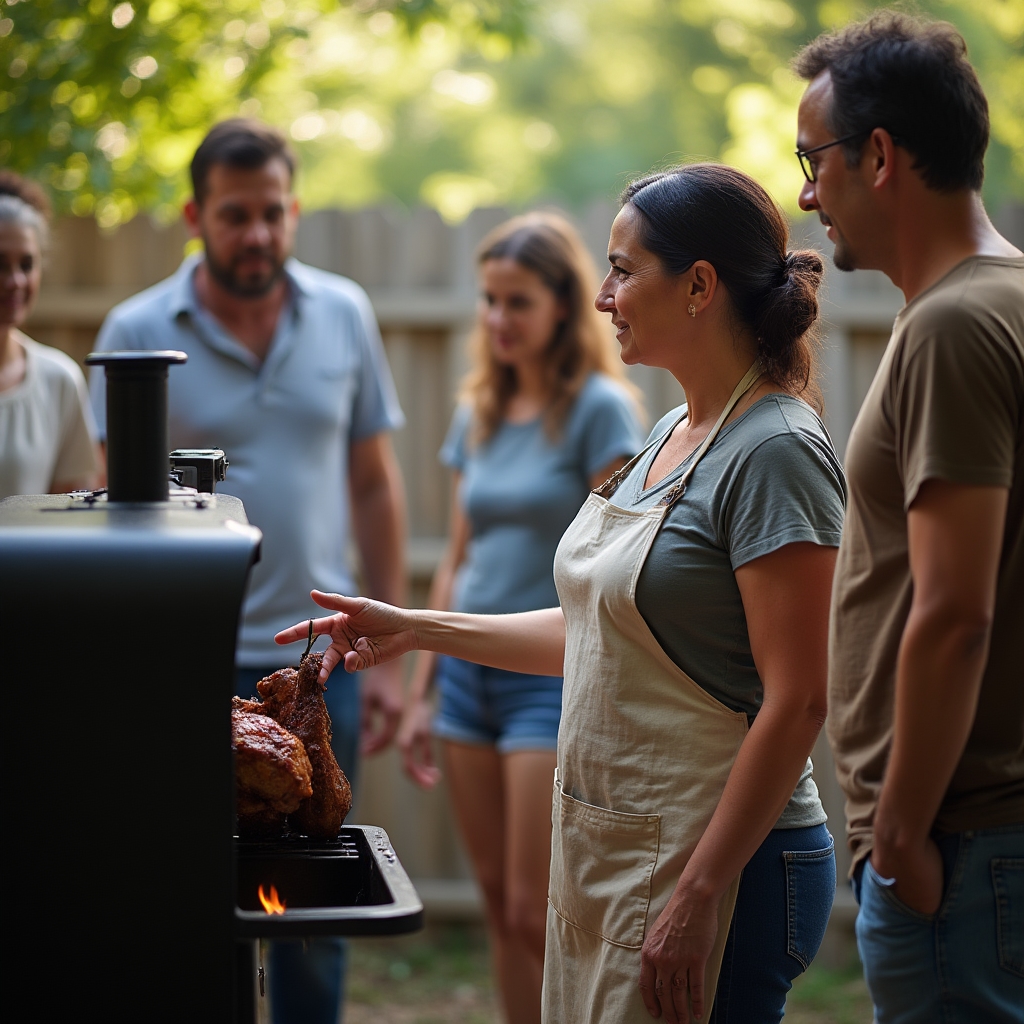
Preserving food was rarely a solitary act. Many lessons include notes on how a technique was traditionally a household or community effort.
How lessons are built
Written and Reviewed Before They're Published
Each module goes through a testing pass in a home kitchen setting before it's added to the library. That means checking measurements, verifying timing ranges, and confirming that a technique described for, say, a Wisconsin household actually holds up if attempted in a warmer, more humid climate. Regional variation is noted rather than smoothed over.
We also review current food safety guidance for anything involving canning or curing, since those are the two techniques where an old family method might need a small adjustment to align with what's currently understood about safe preservation. The goal is never to discard tradition, only to teach it responsibly.
None of this constitutes professional certification. Nothing here requires a commercial kitchen license to complete. It's education for people cooking at home, for their own table, at their own pace.
Curious what's currently open for learning?
Take a look at the current schedule of modules, formats, and regional cohorts.